Gisela Günther · 6 September 2026
Landmark Court Decisions Redefine Heathland Conservation Standards Across UK Regions
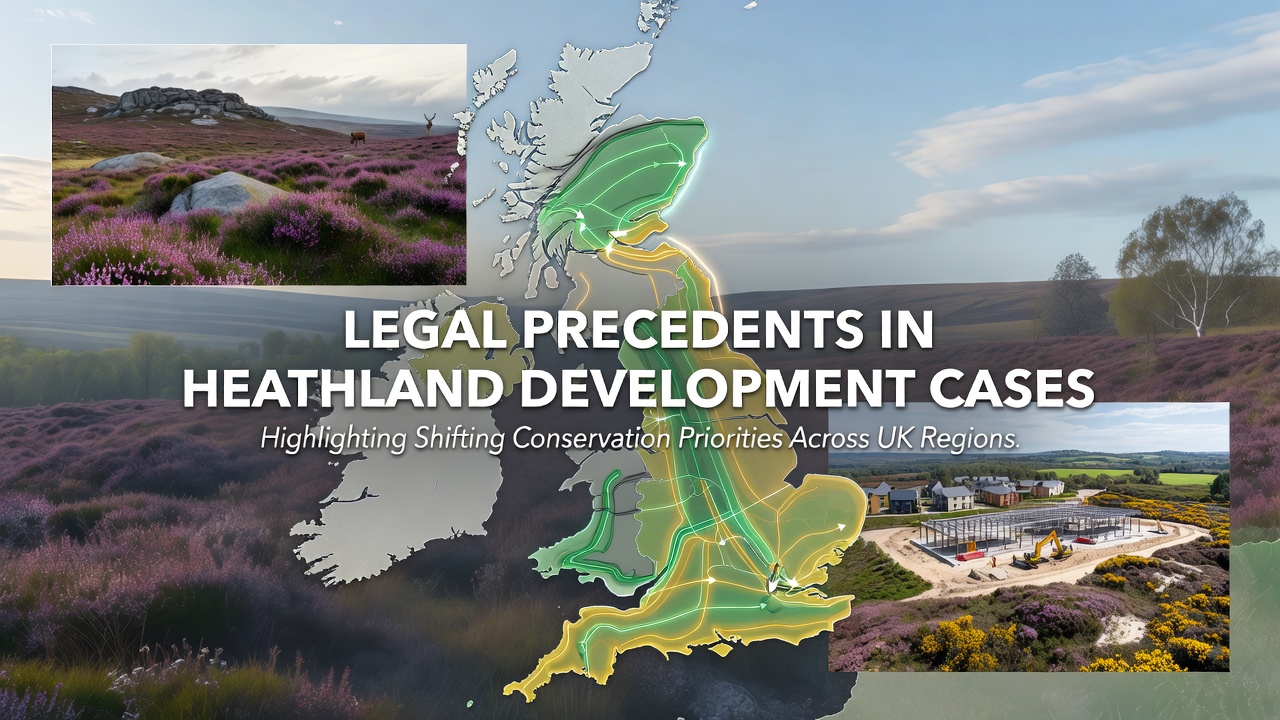
Legal precedents established through recent UK court cases have begun to influence how heathland development applications are evaluated, with judges examining biodiversity net gain requirements alongside traditional planning permissions in multiple regions. Data from planning records shows that decisions handed down between 2024 and 2026 placed greater weight on habitat connectivity, and this shift appears most pronounced in southern England and parts of Scotland where heathland fragments support rare invertebrate populations.
Key Cases Establishing New Standards
One notable ruling from the High Court in 2025 involved a proposed residential expansion near the New Forest, where the judge required developers to demonstrate measurable improvements in heathland condition rather than relying solely on mitigation offsets; the decision referenced existing guidance from Natural England and set a template that lower courts have since followed in similar applications. Another case in Wales examined proposals for infrastructure upgrades adjacent to upland heath, and the tribunal emphasized cumulative impacts across adjacent sites, which led to revised conditions that restricted construction timing to protect breeding seasons for ground-nesting birds.
Observers note that these rulings collectively signal a move toward stricter scrutiny of development plans that encroach on Sites of Special Scientific Interest, while regional planning authorities in northern England have started incorporating the same language into local plan reviews. Research indicates that such integration reduces the number of appeals reaching higher courts because applicants adjust proposals earlier in the process.
Regional Variations in Application
Across Scotland, legal challenges have highlighted differences in how the Scottish Government balances renewable energy installations against heathland preservation, with one 2026 decision requiring additional surveys for peat depth and carbon storage potential before consent could proceed. In contrast, authorities in the South West of England have focused more on recreational pressure from new housing, and planning inspectors have cited visitor management strategies as essential components of any approval.
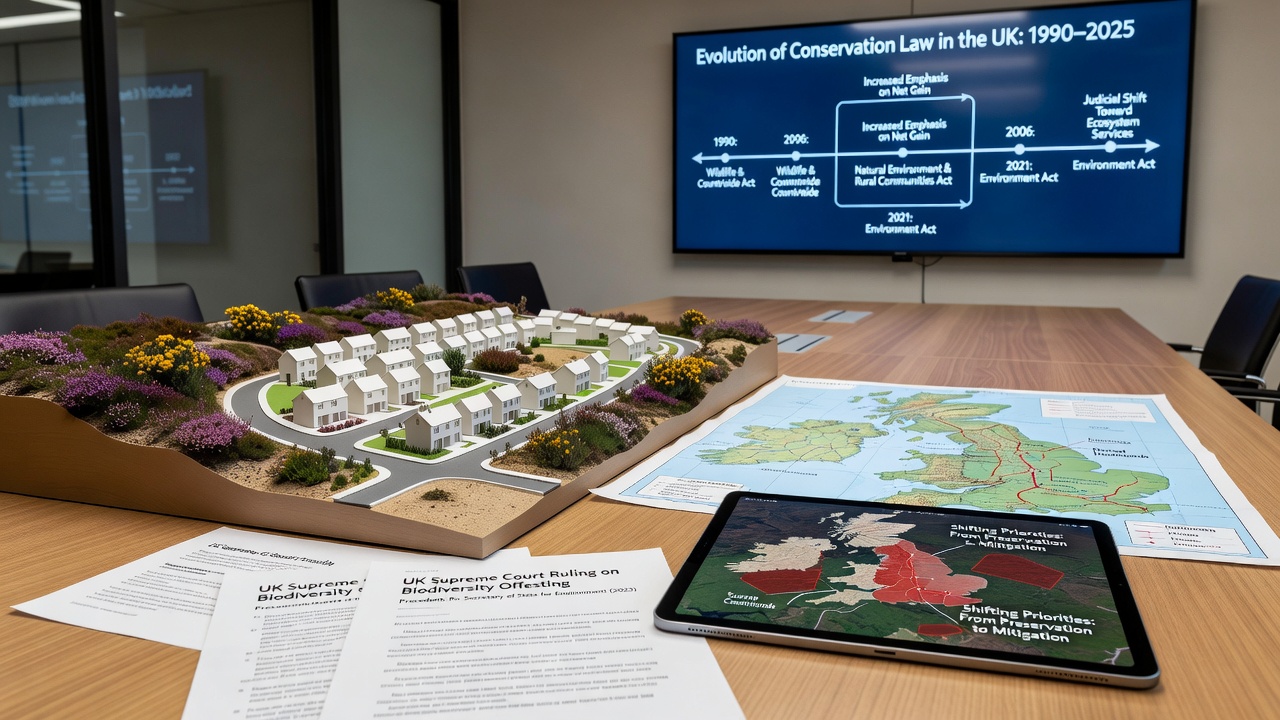
What's interesting is how September 2026 updates from the Department for Environment, Food and Rural Affairs clarified reporting obligations for biodiversity units, and this guidance directly references several of the earlier precedents to help local councils apply consistent metrics. Figures from the Office for National Statistics reveal that heathland coverage in England stood at approximately 280,000 hectares in the latest national inventory, yet fragmentation continues in areas experiencing higher development pressure.
Shifting Priorities Reflected in Policy
Policy documents issued by regional bodies now frequently cite habitat restoration targets that exceed previous minimums, and this change stems from accumulated case law rather than new legislation alone. Take the example of a major transport scheme in the Midlands, where the examining authority required compensatory heathland creation on a larger scale after reviewing comparable rulings from the south coast. Those who've studied the pattern recognize that courts increasingly treat ecosystem services, including pollination support and flood regulation, as material considerations during judicial review.
Evidence suggests that local plans revised after these decisions allocate fewer sites for housing within 500 meters of designated heathland, and this adjustment aligns with recommendations from academic studies on edge effects. A report published by the University of Exeter in 2025 quantified how such buffers can maintain species diversity, and planning officers have begun referencing those findings in committee reports. Natural England guidance documents have also been updated to reflect these judicial interpretations, providing clearer pathways for applicants who incorporate long-term monitoring commitments.
Implications for Future Development
Developers and local authorities now face more rigorous requirements for ecological impact assessments that extend beyond site boundaries, and this evolution has prompted several major consultancies to expand their in-house legal teams. In September 2026, a joint statement from conservation organizations and planning professionals outlined best practices for navigating the updated framework, emphasizing early engagement with statutory consultees. Data shows a measurable decline in outright refusals once applicants align proposals with the standards emerging from recent case law, suggesting that the system is adapting through precedent rather than wholesale regulatory overhaul.
Conclusion
The body of legal precedents continues to expand as new challenges reach the courts, and regional differences in how these decisions are implemented will likely persist while national policy remains under review. Those monitoring the sector expect further clarification on metrics for success in heathland restoration projects, particularly as climate adaptation strategies gain prominence in planning evaluations. Overall, the record demonstrates a consistent trend toward integrating conservation outcomes more directly into development permissions across UK regions.