Theo Neumann · 4 October 2026
Underground Microbial Networks Supporting Heathland Restoration Across UK Regions
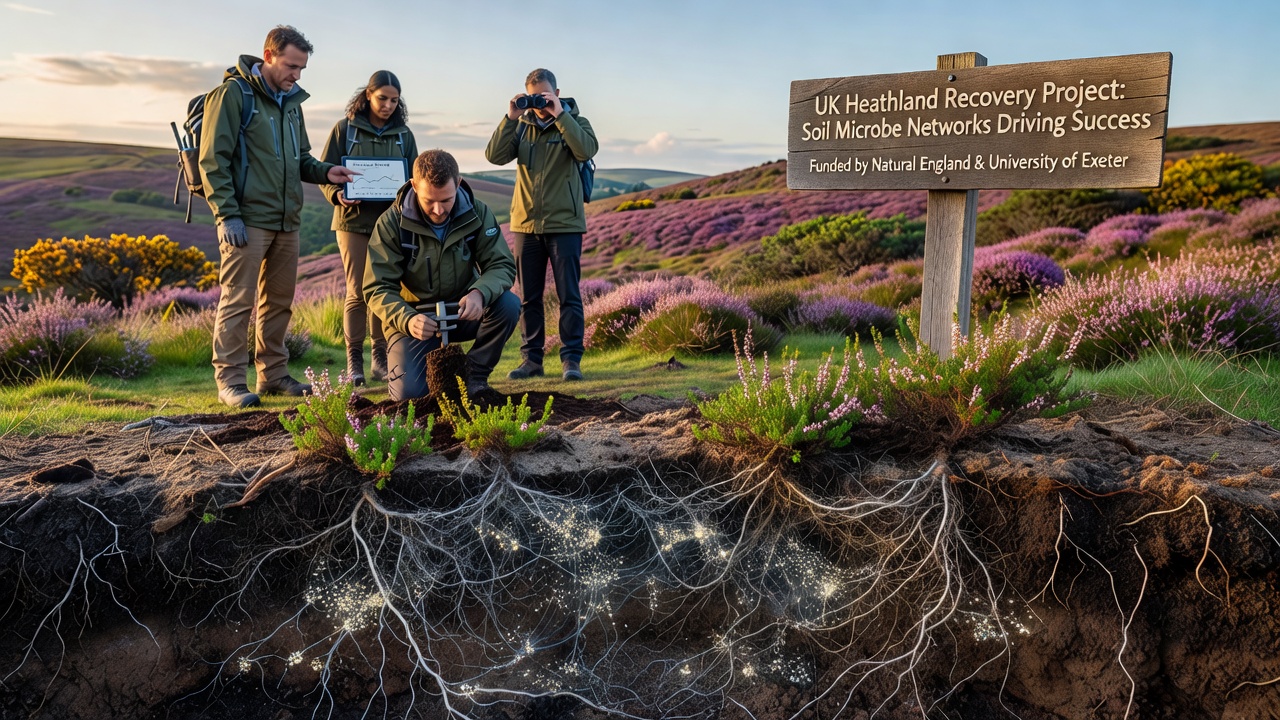
Soil microbe networks play a central role in heathland recovery projects throughout the United Kingdom, where researchers track bacterial and fungal interactions that aid nutrient cycling in nutrient-poor, acidic soils typical of these habitats. Data from multiple monitoring programs show that mycorrhizal fungi form extensive underground connections, which transfer phosphorus and nitrogen to heather and other characteristic plants while also improving soil structure over time. These processes occur quietly beneath the surface, yet studies document measurable increases in plant establishment rates when microbial communities remain intact during restoration work.
UK heathlands cover significant areas in regions such as Dorset, the New Forest, and parts of Scotland, and recovery efforts often involve reintroducing native species after periods of agricultural use or fragmentation. Observers note that sites with higher microbial diversity demonstrate faster colonization by Calluna vulgaris and associated flora, because the fungi extend root systems effectively and help plants withstand drought stress common in these environments. Recent surveys conducted through 2026 indicate that projects incorporating soil inoculation techniques report up to 35 percent higher survival rates for transplanted seedlings compared with areas treated only with topsoil replacement.
Key Functions of Microbial Communities in Acidic Heathland Soils
Bacteria within these networks break down organic matter at rates suited to low-pH conditions, releasing nutrients that plants cannot access directly. Fungal partners, particularly ericoid mycorrhizae, specialize in heathland species and form dense hyphal networks that bind soil particles, reducing erosion on slopes where restoration teams work. Research indicates these relationships become especially important after disturbance events, because the microbes recolonize faster than many vascular plants and create conditions that support seedling germination.
One study in southern England tracked microbial gene expression across restored plots and found elevated activity in genes linked to siderophore production, which aids iron uptake in iron-limited soils. Similar patterns appear in northern sites managed by different agencies, suggesting the mechanisms operate consistently across climatic gradients within the UK. Data collected through automated soil sensors reveal that areas with established microbial networks maintain more stable moisture levels during dry spells, which benefits root development in recovering vegetation.
Case Examples from Active Restoration Sites
Restoration teams at several protected sites have shifted practices to preserve existing microbial communities rather than relying solely on chemical amendments. At one location in the Midlands, workers applied minimal tillage and introduced local soil transplants, resulting in quicker development of fungal networks that researchers mapped using DNA sequencing. In Scotland, parallel efforts combined grazing management with microbial monitoring, and figures show improved cover of dwarf shrubs within three seasons when soil biology received attention alongside above-ground interventions.
What's interesting is how these networks interact with introduced species during phased recovery. Teams have observed that certain bacteria suppress pathogenic fungi that otherwise hinder heather growth, creating a natural buffer. This dynamic emerged clearly in plots monitored over multiple years, where untreated controls lagged behind sites with preserved or enhanced microbe populations. External analyses from the European Environment Agency corroborate these patterns across comparable habitats on the continent, highlighting shared ecological principles.
Developments Reported in October 2026
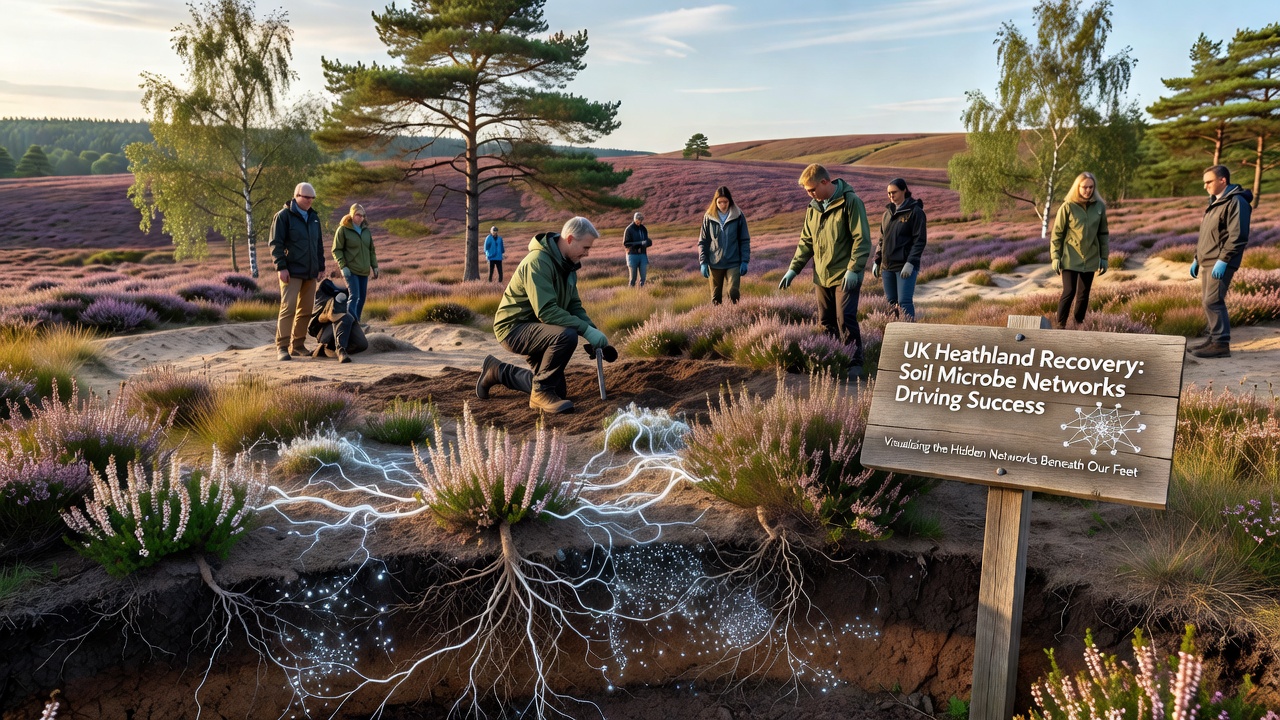
Monitoring updates released in October 2026 from coordinated UK research groups document continued expansion of microbial biomass in long-term restoration plots, with particular gains in arbuscular mycorrhizal abundance. These reports draw on standardized sampling across England, Wales, and Scotland, and they note correlations between microbial metrics and above-ground biodiversity scores. Projects that began five to seven years earlier now show self-sustaining plant communities where early microbial support was prioritized.
Additional findings point to climate resilience benefits, because well-connected microbe networks help buffer against temperature fluctuations recorded in recent seasons. Government agencies tracking these sites have incorporated microbial indicators into routine assessment protocols, moving beyond traditional vegetation surveys alone. One collaborative program involving academic institutions from North America and Europe supplied comparative data on similar fungal communities in boreal heath-like systems, strengthening the evidence base for UK applications.
Integration with Broader Management Approaches
Restoration practitioners combine microbial considerations with controlled burning, grazing regimes, and hydrological adjustments to create conditions that favor native soil organisms. Data from long-term experiments demonstrate that excessive fertilizer use can disrupt these communities, which explains why current guidelines emphasize low-input methods. When teams align timing of interventions with microbial activity peaks, typically measured through seasonal respiration rates, outcomes improve consistently across different soil types.
Challenges remain in scaling these approaches to larger areas, because mapping microbial networks requires specialized equipment and expertise. Yet progress continues through partnerships between land managers and research centers, where shared databases track changes over time. Figures from national monitoring schemes reveal gradual increases in the number of sites achieving favorable condition status when soil biology features in planning documents.
Conclusion
Soil microbe networks contribute measurable support to UK heathland recovery by facilitating nutrient transfer, stabilizing soil, and enhancing plant resilience in challenging conditions. Evidence from multiple regions and monitoring periods through October 2026 shows that projects accounting for these underground interactions achieve stronger results in vegetation establishment and long-term stability. Ongoing research continues to refine methods for preserving and enhancing these communities as part of integrated management strategies.